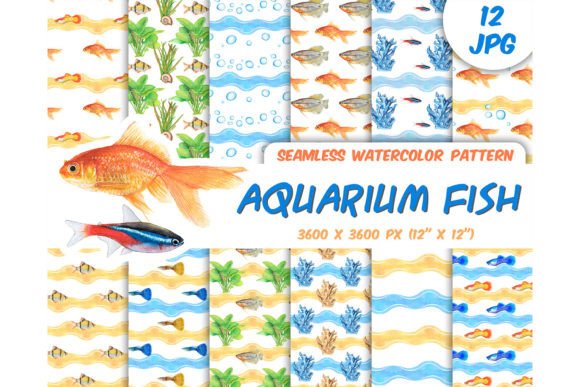
Watercolor Tropical Fish Patterns: A Stitcher's Review
As a designer who has digitized and stitched out countless aquatic themes, I approach watercolor-style embroidery with a healthy dose of skepticism. Translating the soft, bleeding edges of paint into the structured world of thread is notoriously difficult. When I first evaluated the Watercolor Tropical Fish Patterns paper collection, my primary concern was whether these designs would retain their artistic integrity once converted from a digital concept to a tangible machine embroidery design. After testing these motifs on various substrates for client projects and shop inventory, I have developed a clear perspective on where this collection shines and where it requires careful handling.
Capturing the Watercolor Aesthetic in Thread
The immediate strength of these Watercolor Tropical Fish Patterns lies in their color blending and organic flow. Unlike rigid, cartoonish fish designs often found in commercial libraries, these patterns mimic the translucency of actual watercolor paint. For an Etsy seller or boutique owner, this distinction matters immensely. Customers are currently fatigued by flat, solid-fill graphics; they crave texture and artistry. The design utilizes complex layering of fill stitch and varying thread colors to create depth without excessive density. This is crucial because heavy watercolor simulations can easily become bulletproof patches that distort lightweight fabrics. In my review, the balance between visual softness and structural stability was surprisingly well-maintained, making it a viable option for high-end handmade products.
Real-World Application: The Linen Tote Bag Test
To truly judge the viability of this embroidery file, I moved beyond standard quilting cotton and tested it on a natural linen tote bag intended for a summer capsule collection. Linen is unforgiving; its slubs and weave irregularities can destroy delicate details. I chose a mid-sized angelfish motif from the set. My goal was to create a tote bag design that felt like a premium beach accessory rather than a craft fair afterthought.
The stitching process revealed that the design’s running stitch outlines serve as excellent registration guides, which is vital when working with textured fabrics. However, the watercolor shading required a specific stabilizer strategy. I opted for a medium-weight cutaway rather than tear-away to prevent the fabric from puckering under the multi-directional fill stitches. The result was a vibrant, painterly fish that maintained the drape of the linen. For small shop products, this level of finish justifies a higher price point. If you are planning custom apparel or accessories, know that this design demands patience during setup but rewards you with a professional, gallery-worthy aesthetic.
Fabric Compatibility and Hoop Considerations
While the Watercolor Tropical Fish Patterns perform beautifully on stable wovens, they require caution elsewhere. As an experienced reviewer, I must emphasize that not every fabric is a suitable canvas for this specific artistic style.
- Stretchy Knits and Sweatshirts: If you are attempting sweatshirt embroidery, you must use a high-quality fusible mesh stabilizer. The watercolor effect relies on precise color placement; if the knit shifts even a millimeter, the illusion breaks. Test on scrap fleece first to ensure the needle penetration doesn't leave permanent holes in the loose weave.
- Dark Fabrics: These patterns are designed with light-to-medium value ranges in mind. Stitching them directly onto navy or black fabric will cause the design to disappear. You will need to add a white underlay base or choose a different project entirely. They are best suited for white, cream, pastel, or unbleached natural backgrounds.
- Small Hoop Sizes: Resist the urge to shrink these designs significantly. Reducing a watercolor simulation by more than 20% often causes the intricate blend stitches to overlap and bunch. Always verify your hoop size constraints before purchasing. If you only have a 4x4 hoop, look for specifically sized versions rather than resizing larger files.
- Curved Surfaces: Avoid using these on caps or curved bags unless you have a specialized cap frame and significant experience. The flat field of stitches does not map well to compound curves, leading to registration errors that ruin the watercolor effect.
Commercial Viability for Makers and Sellers
For creative entrepreneurs, the question is always about return on investment. Does this digital embroidery file translate to sales? Based on current market trends, yes. The tropical aesthetic remains evergreen for resort wear, nursery decor, and summer gifts. However, success depends on presentation. When creating printable mockups or listing photos, avoid over-saturating the images. Let the subtle thread sheen speak for itself.
I found these patterns particularly effective for baby embroidery items like bibs and burp cloths, provided the backing is soft against the skin. The non-abrasive nature of the fill stitches makes them safe for infant wear, unlike dense satin stitch alternatives. For commercial embroidery businesses taking custom orders, this collection offers a unique selling proposition. It bridges the gap between traditional folk art and modern illustration, appealing to clients who want something distinctive for personalized gifts or wedding party totes.
Critical Designer Notes Before You Stitch
Before you load these Watercolor Tropical Fish Patterns into your machine, please heed these practical warnings derived from real production experience:
- Verify Licensing: Never assume usage rights. Check the specific license terms included with the design assets. Some licenses allow for finished physical products but prohibit selling the digital files or using them in print-on-demand services. Protect your craft business by reading the fine print.
- Thread Color Matching: Watercolor effects depend entirely on accurate color transitions. Do not substitute thread brands blindly. If the digitizer used Madeira Polyneon, substituting with Isacord might alter the saturation levels enough to flatten the image. Create a test swatch comparing your available threads against the chart.
- Stitch Density Check: Open the file in your editing software or machine preview. Look for areas where three or more layers of fill overlap. If your fabric is thin, consider removing the bottom-most layer or reducing density settings by 10-15% to prevent stiffness.
- Wash Testing: Watercolor-style embroidery can be fragile due to the long floats used to create blending. If making tea towels or items requiring frequent laundering, test wash a sample. You may need to add a topping or adjust the top thread tension to lock stitches more securely.
- Mockup Accuracy: When marketing to clients, use realistic textures in your printable mockup. Showing a watercolor fish on a perfectly smooth digital background sets false expectations. Show it on linen, canvas, or pique to manage buyer expectations regarding how thread interacts with fabric texture.
Final Verdict on Artistic Execution
The Watercolor Tropical Fish Patterns collection represents a sophisticated tier of machine embroidery. It moves beyond simple digitizing into the realm of textile art. For the hobbyist, it offers a chance to elevate personal projects. For the professional Etsy seller or apparel decorator, it provides a versatile asset that can define a brand's summer or coastal identity. Success with this embroidery project hinges on respecting the technical limitations of the medium. Treat the fabric choice and stabilization as seriously as the design itself, and you will produce a finished product that captures the fluid beauty of watercolor with the lasting durability of thread. Always remember that in embroidery, the most beautiful screen image means nothing without a flawless physical stitch-out.