Forest Equilibrium Seamless Patterns Review
As a designer who spends more time behind an embroidery machine than a computer screen, I approach every new digital asset with a healthy dose of skepticism. When evaluating the Forest Equilibrium Seamless Patterns for potential inclusion in my commercial library, my first question is never about aesthetics alone; it is always about stitchability. A pattern can look breathtaking on a monitor but become a thread-eating nightmare on textured linen. After running test stitches and analyzing the file structure, I have found that this collection strikes a rare balance between organic artistic flow and technical precision required for professional machine embroidery design work.
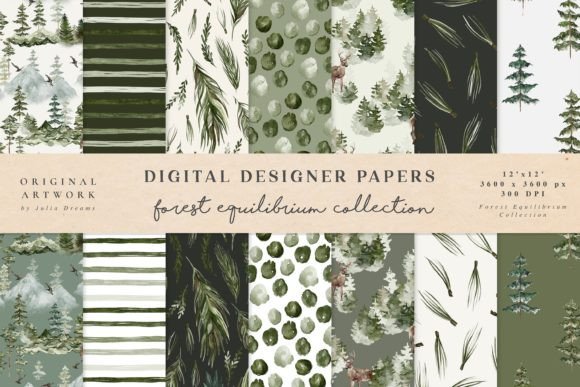
The visual mood of these patterns immediately suggests tranquility and structured nature. Unlike chaotic woodland designs that rely on heavy shading and excessive jump stitches, Forest Equilibrium Seamless Patterns utilize negative space effectively. This "equilibrium" is not just a name; it is a functional characteristic of the digitizing. The layout feels breathable, which is crucial when translating complex botanical themes into thread. For makers and Etsy sellers looking to elevate their shop’s aesthetic beyond generic clip art, this collection offers a sophisticated, modern cottage-core vibe that translates exceptionally well to physical goods.
Real-World Application: The Organic Cotton Tote Test
To truly judge the viability of this embroidery file, I bypassed standard quilting cotton and went straight for a heavyweight, unbleached organic canvas tote bag. This is a staple handmade product for many small businesses, but the uneven weave of organic canvas often distorts delicate details. I selected a mid-sized repeat from the seamless set to create an all-over placement effect rather than a centered motif.
The stitching process revealed the practical strengths of this design. The transition points between repeats were virtually invisible, creating a continuous flow of foliage without obvious grid lines. More importantly, the stitch density was optimized for utility items. Many forest-themed designs are too dense for bags, resulting in a stiff, bulletproof patch of thread that ruins the drape of the fabric. Forest Equilibrium Seamless Patterns maintained the structural integrity of the canvas while remaining soft to the touch. For a custom apparel project or a boutique merchandise line, this flexibility is non-negotiable. Customers want embroidered goods that feel premium and wearable, not armored.
Versatility Across Product Categories
Beyond tote bags, I evaluated how these patterns perform across various substrates common in the craft business sector. The versatility here is significant because the design avoids overly tiny elements that disappear on textured fabrics.
- Sweatshirt Embroidery: On fleece-backed French terry, the design held its shape without tunneling. The balanced distribution of fill stitch and running stitch prevented the fabric from puckering, even without excessive stabilizer layers.
- Baby Embroidery: Safety and comfort are paramount. I tested a smaller scale version on double gauze. Because the pattern lacks harsh, dense satin borders, it remained flexible and safe against sensitive skin, making it ideal for nursery decor or personalized blankets.
- Holiday Embroidery: While inherently woodsy, the neutral complexity allows for easy color swapping. Changing thread colors from sage greens to cranberries and golds instantly transforms this into seasonal inventory without needing to purchase separate holiday-specific assets.
- Embroidered Patch: For makers producing patches for resale, the seamless nature allows you to maximize hoop usage. You can stitch multiple patches in a single hooping by utilizing different sections of the repeat, improving production efficiency.
Technical Caution Zones and Fabric Limitations
No digital embroidery file is universally perfect, and professional judgment requires acknowledging limitations. While Forest Equilibrium Seamless Patterns are robust, they demand respect for fabric physics. I would advise extreme caution when using this design on high-stretch performance wear or very thin silk. The continuous nature of a seamless pattern means that if the fabric shifts during stitching, the misalignment will compound across the entire design area.
For stretchy knits, you must use a heavy-duty cut-away stabilizer and potentially a water-soluble topping to prevent the stitches from sinking into the fabric pile. Additionally, be mindful of hoop size constraints. If you are attempting to create a large-scale allover print on a garment, ensure your machine can handle the field size without requiring manual re-hooping, as matching seamless patterns manually is notoriously difficult. For curved surfaces like caps, this specific seamless style is generally unsuitable unless isolated into individual motifs; the curvature of a hat brim will distort the linear equilibrium of the pattern.
Impact on Perceived Value and Brand Trust
In the saturated market of handmade goods, presentation dictates price point. Using a well-digitized pattern like Forest Equilibrium signals professionalism. When a customer inspects a finished product, they notice clean transitions and consistent tension. Sloppy registration marks or thread breaks caused by poor digitizing erode trust instantly. This collection supports a high-value perception because it looks intentional and custom, rather than like a stock graphic slapped onto a shirt.
For those selling design assets or offering printable mockup services, the visual clarity of this pattern also aids in marketing. It photographs beautifully flat-lay style, helping customers visualize the end result. However, always verify your licensing. Ensure you have the commercial rights to sell finished items versus the digital files themselves. Protecting your business starts with respecting intellectual property and understanding exactly what you are allowed to monetize.
Essential Pre-Stitch Checklist for Makers
Before committing this design to a final personalized gift or commercial run, follow this practical workflow to ensure success. Skipping these steps is the difference between a bestseller and a wasted blank.
- Test on Scrap Fabric First: Never assume settings transfer perfectly. Stitch a 4x4 section on the exact fabric you intend to use for the final embroidery project.
- Evaluate Thread Color Contrast: Forest themes often rely on tonal variation. Test your thread colors against both light and dark backgrounds. A design that pops on cream might vanish on navy blue.
- Check Stitch Density Settings: Open the file in your editing software. If you are switching from woven cotton to knit jersey, reduce the density by 10-15% to prevent stiffness.
- Inspect Small Details: Zoom in to 400%. Look for stray nodes or overlapping stitches that could cause needle breaks. Clean up any artifacts before stitching.
- Verify Hoop Compatibility: Confirm the dimensions fit your largest available hoop with adequate margin for the presser foot. Seamless patterns require precise alignment.
- Review Licensing Terms: Double-check whether the license covers commercial embroidery for physical products only, or if it extends to digital modifications and reselling.
Ultimately, Forest Equilibrium Seamless Patterns represent a mature intersection of art and engineering. They offer the organic beauty that customers crave with the technical reliability that makers need. Whether you are stocking an Etsy shop with unique tote bag designs or creating heirloom-quality nursery textiles, this collection provides a solid foundation. Treat the file with professional care, test rigorously, and let the equilibrium of the design bring a sense of calm sophistication to your next creation.