The Dancing Little Elephant Watercolor: A Fairy Tale Graphic for Bloggers
First Impressions: Playful, Artistic, and Perfectly Whimsical
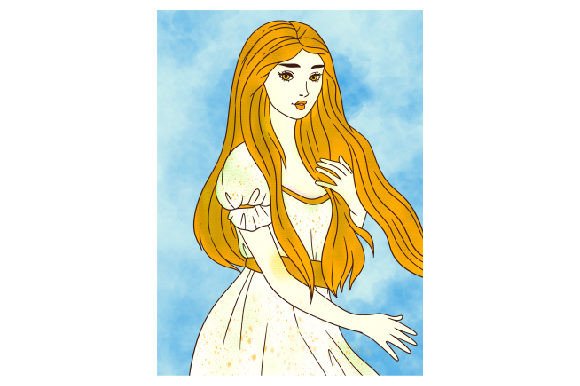
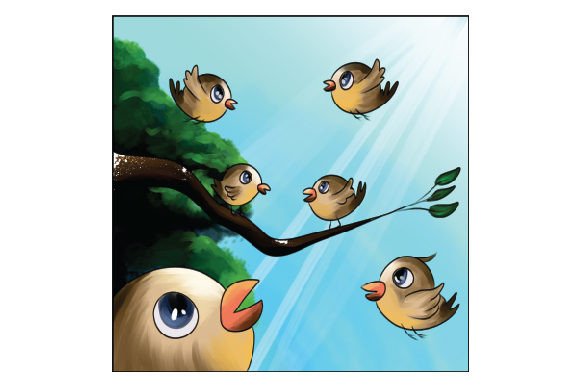
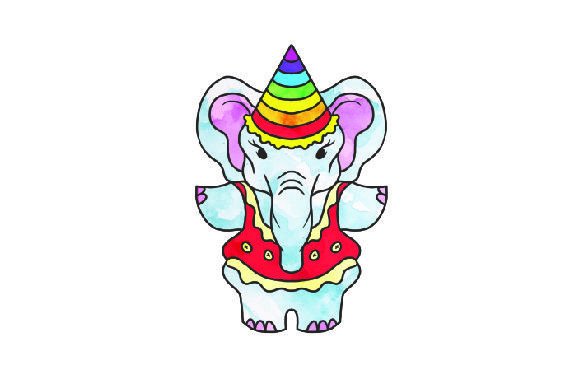
As a blog designer and digital publisher, the first time I laid eyes on The Dancing Little Elephant - the Dancing Little Elephant, Watercolor Style, I immediately thought of soft pastels, storybook illustrations, and a sense of gentle joy. This design asset feels like it was plucked straight from a fairy tale picture book, making it a perfect fit for content that leans into playfulness, imagination, and creativity. It’s not overly bold or minimalist, but rather artistic, decorative, and full of character—ideal for niches like children’s content, parenting blogs, educational resources, or even creative lifestyle sites that want to inject a sense of warmth and whimsy.
How This Watercolor Graphic Elevates Real Publishing Projects
One of the most important aspects of any graphic design asset is how well it integrates into real editorial and web publishing workflows. The Dancing Little Elephant Watercolor shines in several key areas:
- Blog featured images – Adds a soft, engaging visual hook to post thumbnails.
- Pinterest pins – Its artistic quality stands out in a sea of stock photos.
- Newsletter headers – Brings personality to email marketing banners.
- Digital guides and worksheets – Enhances downloadable educational content.
- Lead magnets and eBook covers – Makes freebies feel more valuable and polished.
- Social media graphics – Perfect for Instagram Stories or Facebook posts with a storybook theme.
It’s not just about aesthetics—this asset supports a stronger visual hierarchy and helps guide readers through your content with a more immersive, story-driven experience.
Supporting Content Performance with Visual Identity
From a content marketing perspective, visuals like The Dancing Little Elephant - the Dancing Little Elephant, Watercolor Style are more than decoration—they’re performance tools. Here’s how they help:
- Better click-through rates – Unique, artistic visuals catch the eye more than generic images.
- Stronger brand recognition – Using consistent design assets builds a cohesive brand identity.
- Increased reader trust – Professionally designed visuals signal quality and credibility.
- Improved editorial flow – Supports a clean, organized editorial design in blog layouts.
This is especially valuable for content creators, online educators, and affiliate marketers who rely on visual storytelling to convert readers into subscribers or buyers.
Best Use Cases: Where This Watercolor Design Shines
This digital product works best in contexts that benefit from a touch of artistry and storytelling:
- Hero images – Especially for landing pages or seasonal content.
- Article thumbnails – Ideal for posts with a soft or educational tone.
- Pinterest graphics – The watercolor texture and colors stand out in Pinterest feeds.
- Blog graphics – Perfect for headers, sidebars, or callouts in fairy tale or educational content.
- Newsletter banners – Adds a whimsical touch to email headers.
- Downloadable printables – Works well in activity sheets, coloring pages, or kids’ resources.
If you’re creating a digital guide for toddlers, designing a lead magnet for parents, or building a Canva template for educators, this design asset can be a subtle but powerful visual anchor.
Where to Use It Carefully: Context Matters
While this creative design is incredibly versatile, it’s not a one-size-fits-all solution. Here are a few situations where it may not be the best fit:
- Small mobile thumbnails – The detail may get lost on tiny screens.
- Text-heavy blog images – The watercolor texture can compete with overlay text.
- Low-contrast backgrounds – May not pop enough on light or busy page layouts.
- Corporate or professional content – Its playful tone may not match serious niches like finance or law.
- Minimalist website designs – Could feel out of place if your brand leans ultra-modern or clean.
Publisher Notes: Practical Tips Before You Publish
Before you embed The Dancing Little Elephant - the Dancing Little Elephant, Watercolor Style into your content marketing materials, here are some key checks to run:
- Test on desktop and mobile – Ensure it scales well across devices.
- Preview as a thumbnail – Does the elephant still look clear and recognizable?
- Try it in a real blog layout – See how it fits with your fonts, colors, and overall web design.
- Overlay headline text – Check readability and contrast with your text styles.
- Review file size – Optimize for fast loading without sacrificing quality.
- Verify commercial license – Confirm it’s cleared for use in affiliate marketing or paid content products.
You may also want to test how it looks in black and white, or alongside different font styles—like serif, sans serif, script, or display fonts—to ensure it supports your website header and brand identity effectively.
Final Thoughts: A Must-Have Design Asset for Creative Publishers
If you're a small business owner, designer, or content creator looking to add a touch of charm and professionalism to your digital publishing, The Dancing Little Elephant - the Dancing Little Elephant, Watercolor Style is a valuable addition to your design assets toolkit. Whether you're building a media kit, crafting a social media post, or designing a downloadable resource, this digital download offers flexibility, warmth, and editorial polish that can elevate your content presence across platforms.
For those sourcing from a creative marketplace, this is a great example of how a single, well-designed graphic design asset can have a ripple effect on your brand’s visual storytelling and audience engagement.