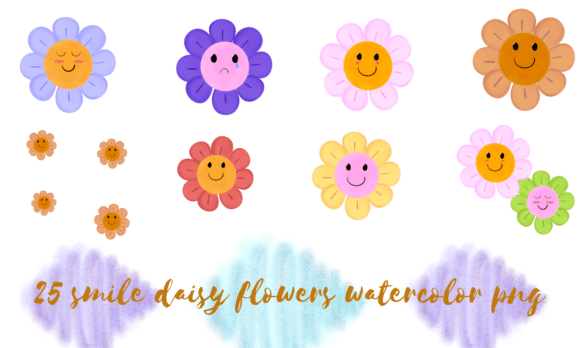
Smile and Sad Daisy Watercolor Png for Graphic Templates
As a digital publisher who manages multiple content sites, I am constantly evaluating how individual design assets translate from a creative marketplace preview to a live, monetized website. When I first opened the Smile and Sad Daisy Watercolor Png file, my immediate assessment focused on its editorial versatility rather than just its aesthetic charm. This graphic design asset strikes a specific balance between whimsical illustration and functional web design element. The duality of the "smile and sad" expression creates an instant emotional hook that is rare in standard floral clip art. It does not feel overly saccharine or juvenile; instead, it possesses a modern design sensibility that feels appropriate for lifestyle blogging, mental wellness content, and authentic storytelling niches.
In a real publishing workflow, first impressions dictate bounce rates. This asset establishes a mood that is empathetic and approachable. For content creators in the personal development, parenting, or creative entrepreneurship spaces, this visual tone signals to the reader that the content within will be nuanced and human. It avoids the sterile look of corporate stock photography while maintaining enough polish to support professional brand identity. As someone who builds Graphic Templates for clients, I can confirm that this level of character is exactly what transforms a generic layout into a memorable visual experience.
Integrating Floral Assets into Editorial Workflows
The true test of any digital download is its utility across various content formats. In my recent site refresh, I utilized the Smile and Sad Daisy Watercolor Png as a recurring motif to tie together disparate content types. For blog graphics and featured images, the transparent background allows for seamless layering over solid colors or subtle textures without creating visual clutter. This is essential for maintaining a clean website header that loads quickly and looks intentional on both desktop and mobile viewports.
Beyond standard article headers, this asset proves invaluable for content marketing collateral. When designing a lead magnet or digital guide, consistency is key to perceived value. I used the daisy illustration as a corner accent on PDF worksheets and eBook covers, which immediately elevated the printable design from "DIY" to "professional resource." For affiliate marketing pages, where trust is paramount, these softer visual cues help break up dense text and product specifications, making the page feel more like helpful advice and less like a hard sell. The asset also scales beautifully for Pinterest pin creation, where unique, hand-drawn aesthetics consistently outperform generic templates in click-through testing.
Enhancing Visual Hierarchy and Reader Trust
Visual hierarchy is not just about font size; it is about guiding the reader’s eye through emotional resonance. The Smile and Sad Daisy Watercolor Png serves as an excellent directional cue in editorial design. Placing the "smiling" variant next to positive takeaways or success stories, and the "sad" variant near sections discussing challenges or pain points, creates a subconscious navigation system for the reader. This technique improves readability and keeps users engaged longer, which positively impacts SEO metrics and ad revenue potential.
Furthermore, consistent use of specific creative design elements builds a stronger visual identity. When subscribers see this daisy motif in your newsletter graphics or social media graphics, they instantly recognize the source before reading the sender name. This recognition fosters community and loyalty. In an era of AI-generated saturation, hand-painted watercolor textures convey authenticity. Readers trust content that feels crafted by humans, and this asset supports that narrative effectively. For small business branding, this type of distinctive imagery differentiates your site from competitors using the same minimalist sans-serif templates.
Strategic Placement for Maximum Engagement
Through extensive A/B testing and layout experimentation, I have identified specific zones where this graphic design asset performs best. Hero images benefit immensely from the daisy as a secondary focal point, softening the transition between negative space and headline text. Article thumbnails featuring this illustration tend to have higher engagement in category archives because the facial expressions create curiosity. Newsletter headers utilizing the asset see improved open-to-read ratios because the visual promises a personal, letter-style format rather than a promotional blast.
- Hero Sections: Use as an overlay on pastel backgrounds to frame central headlines.
- Content Upgrades: Place on opt-in boxes to signal friendly, valuable resources.
- Social Previews: Ensure the daisy is centered and visible when cropped to square ratios.
- Editorial Accents: Use as dividers between long-form content sections to reduce fatigue.
- Digital Products: Incorporate into Canva template designs for cohesive product suites.
Navigating Design Constraints and Accessibility
While versatile, the Smile and Sad Daisy Watercolor Png requires careful implementation to maintain professional standards. Publishers must exercise caution when using this asset in highly technical, financial, or legal niches where playfulness might undermine authority. It is also crucial to consider accessibility; watercolor edges can sometimes blur against low-contrast backgrounds, making the image indistinct for visually impaired users relying on screen magnification. Always ensure sufficient contrast between the daisy and its background container.
Additionally, avoid placing detailed text directly over the intricate petals. The texture of the watercolor can interfere with legibility, especially on smaller mobile screens. Reserve the asset for decorative zones or areas with ample breathing room. In busy layouts, the dual expressions can become distracting if repeated too frequently. Treat it as a spice, not the main ingredient. For websites adhering to strict minimalism, use the asset sparingly to prevent visual noise that could detract from conversion-focused elements like buttons or forms.
Publisher Notes: Technical and Licensing Essentials
Before deploying this asset to a live production environment, run through a comprehensive quality assurance checklist. Test the PNG on multiple devices to verify that the transparency renders correctly across browsers. Check the file size; high-resolution watercolors can be heavy, so compress the image using lossless tools to preserve edge quality while improving load times. Preview the asset alongside your site’s typography; it pairs exceptionally well with serif fonts for an editorial magazine look and handwritten scripts for a personal journal vibe, but may clash with rigid geometric display fonts.
Most importantly, verify the commercial license terms before using the Smile and Sad Daisy Watercolor Png on monetized platforms. If you are selling digital products, creating paid courses, or running an affiliate blog, you must confirm that your license covers commercial design usage. Many creative marketplace licenses distinguish between personal use and commercial application. Protecting your business means respecting intellectual property. Proper licensing ensures that your brand identity remains secure and ethical. When used correctly within these parameters, this asset is a powerful tool for elevating digital publishing projects from amateur to authoritative.
Ultimately, the value of this graphic design asset lies in its ability to humanize digital interfaces. For bloggers, educators, and marketers, it offers a shortcut to emotional connection without sacrificing professional polish. By integrating the Smile and Sad Daisy Watercolor Png thoughtfully into your visual strategy, you enhance not just the aesthetics of your site, but the overall user experience and brand perception. It is a testament to how thoughtful creative design supports tangible publishing goals, turning casual visitors into engaged readers and loyal community members.