Winter Watercolor with Trees: An Embroidery Review
When evaluating a new machine embroidery design for my studio, I look beyond the digital preview. As someone who produces both custom client work and ready-to-sell inventory for my Etsy shop, I need to know how a file translates from screen to fabric. The "Winter Watercolor with Trees" design caught my eye as a potential staple for seasonal collections, but pretty pixels do not always equal clean stitches. After testing this design across multiple substrates and project types, here is my honest assessment of its performance, versatility, and commercial viability for fellow makers and business owners.
Capturing the Painterly Mood in Thread
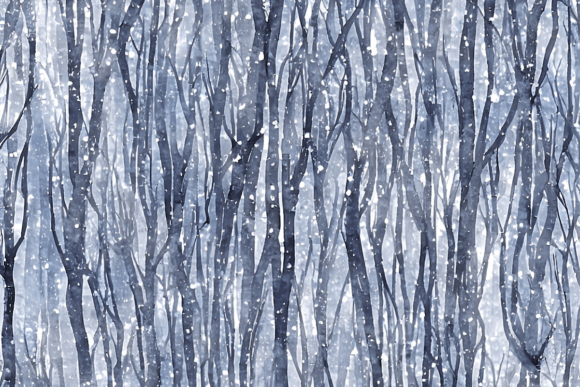
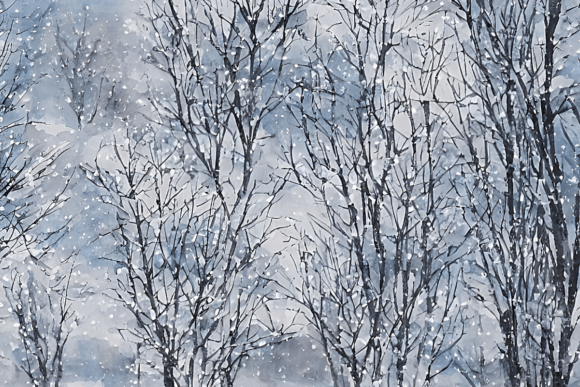
My first impression of Winter Watercolor with Trees was that it successfully bridges the gap between digital art and textile craft. Many background designs fail because they treat embroidery like printing, resulting in stiff, bulletproof fabrics. This design, however, understands the medium. The layout uses a balanced distribution of fill stitch areas that mimic watercolor washes without excessive density. The trees provide necessary vertical structure, anchoring the ethereal background elements so the design does not look like an undefined blob when stitched out.
For creative entrepreneurs, this mood is highly marketable. It evokes nostalgia and coziness, which are primary drivers for winter sales. Unlike rigid geometric patterns, the organic flow of this design allows it to breathe on the fabric. When I hooped it up, the visual personality felt soft yet intentional. It avoids the cluttered look that often plagues complex scenic backgrounds, making it suitable for products where the embroidery should enhance rather than overwhelm the item’s function.
Real-World Application: The Custom Sweatshirt Test
To truly judge this embroidery file, I applied it to a mid-weight French terry sweatshirt intended for a boutique holiday drop. Sweatshirts are a high-stakes canvas; customers expect durability and comfort. I positioned Winter Watercolor with Trees on the upper chest, leaving ample negative space below for potential personalization.
The stitching process revealed several strengths. The transition between the tree trunks and the watery background utilized varied stitch angles effectively, preventing the dreaded "cardboard effect" on stretchy knit fabric. Because the design manages stitch density well, the garment retained its drape. A dense background would have made the chest area heavy and uncomfortable, but this file remained lightweight. For custom apparel creators, this balance is crucial. Clients want festive aesthetics without sacrificing wearability. The test piece looked professional enough for retail pricing while maintaining the handmade charm that justifies a premium over mass-produced alternatives.
Versatility Across Product Categories
Beyond apparel, I evaluated how this design performs as a foundational asset for various handmade products. Its classification as a background makes it uniquely flexible compared to standalone motifs.
- Tote Bag Design: On unbleached canvas, the cool tones of the watercolor effect created a striking contrast against the warm natural fabric. The design covered enough surface area to feel substantial without requiring a massive hoop size.
- Nursery Decor: I tested a smaller variation on a cotton pillow cover. The soft edges and lack of harsh outlines make it safe and visually appropriate for baby embroidery projects, avoiding scratchy textures against sensitive skin.
- Holiday Gifts: As a tea towel accent, the design provided a beautiful backdrop for monograms. The trees framed the center perfectly, allowing for easy customization without digitizing additional elements.
- Patches: While primarily a background, the tree elements could be isolated or used within a defined border for an embroidered patch, offering secondary revenue streams from a single purchase.
For Etsy sellers and small shop owners, this versatility maximizes ROI. You can use one digital embroidery file to populate multiple listing categories, ensuring brand consistency across your winter collection.
Critical Considerations for Fabric and Stabilizer
No design is universal, and Winter Watercolor with Trees requires specific conditions to succeed. During my review, I noted several scenarios where caution is necessary.
Textured and Pile Fabrics: The watercolor effect relies on smooth thread coverage. On high-pile fleece or thick terry cloth, the subtle color blending gets lost. If you must use these fabrics, consider adding a water-soluble topping to flatten the pile during stitching, or accept that the painterly detail will be less visible.
Dark Fabrics: Watercolor-style embroidery typically assumes a light base. Stitching this directly onto black or navy fabric will muddy the colors and reduce contrast. For dark garments, you may need to add a white underlay or choose a different color palette specifically adjusted for low-light backgrounds. Always test thread colors against your specific fabric before running a full production batch.
Stabilizer Selection: Because this is a background design with varying densities, proper stabilization is non-negotiable. On knits, use a cut-away stabilizer to prevent puckering around the lighter fill areas. For woven fabrics like tea towels, a tear-away may suffice, but ensure it supports the outermost tree details to avoid registration shifts. Never skip the test stitch-out; what looks stable in software can distort physically due to pull compensation variables.
Commercial Viability and Professional Presentation
For those running a craft business, presentation sells the product. Winter Watercolor with Trees photographs exceptionally well because the texture reads clearly in images. When creating printable mockups or listing photos, the design adds perceived value through its complexity. Buyers associate detailed, multi-tonal embroidery with higher quality and greater effort.
However, professionalism also means understanding licensing and technical limits. Before selling finished items featuring this design, verify the commercial usage terms included with your purchase. Some designers restrict the number of physical items sold or prohibit using the design in digital assets for resale. Additionally, confirm the available hoop sizes. Scaling a watercolor background down too far can cause stitch gaps or loss of definition, while scaling up can increase stitch count beyond reasonable production times. Respect the integrity of the original digitizing by staying within recommended size ranges.
Designer Notes for Optimal Results
Based on my hands-on experience, here are practical tips for integrating this design into your workflow:
- Contrast Check: View your thread palette in grayscale before stitching. If the trees and background merge into the same gray value, change your thread selection. Distinct values create depth.
- Density Audit: Run a test on scrap fabric identical to your final project. Feel the back of the embroidery. If it feels rigid or cracks when bent, reduce density or switch to a lighter stabilizer.
- Mockup Testing: Create black-and-white versions of your product photos. If the design disappears without color, it relies too heavily on hue rather than value. Ensure it holds up structurally even in monochrome previews.
- Wash Testing: If selling personalized gifts or baby items that require frequent laundering, wash your test sample three times. Watercolor fills can sometimes fray or distort if not locked properly. Confirm durability before promising longevity to customers.
- File Verification: Always check your specific machine format compatibility. While most modern machines read standard formats, conversion errors can alter stitch order or jump stitches in complex backgrounds.
Winter Watercolor with Trees is more than just a seasonal decoration; it is a functional tool for makers who understand the intersection of art and manufacturing. By respecting its technical requirements and leveraging its atmospheric appeal, you can elevate your commercial embroidery offerings and create products that resonate deeply with winter shoppers. Whether you are crafting a signature sweatshirt line or fulfilling custom holiday orders, this design brings a level of sophistication that distinguishes handmade goods from factory-made commodities. Just remember: the best results come from treating the file as a starting point, not a guarantee. Your expertise in fabric, stabilizer, and color is what ultimately brings the digital vision to life.