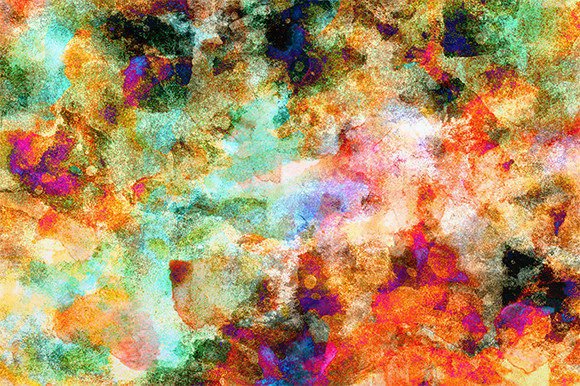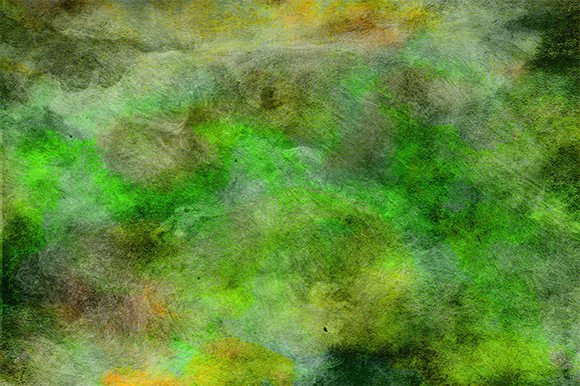
Watercolor Texture Background-39: Textures for Digital Products
As a digital product creator constantly scouting for assets that convert browsers into buyers, my first impression of Watercolor Texture Background-39 was immediately practical. In the saturated market of Etsy and Creative Fabrica, generic backgrounds often get lost, but this specific graphic design asset carries a distinct visual weight. It strikes a balance between organic softness and commercial viability. The mood is undeniably elegant yet approachable, leaning toward a premium handmade aesthetic that appeals strongly to the wedding, stationery, and feminine branding niches. Unlike harsh digital patterns, this texture possesses enough depth to serve as a standalone printable design while remaining subtle enough to support typography without competing for attention. For sellers targeting customers who value artisanal quality in digital downloads, this asset signals professionalism rather than amateur experimentation.
Evaluating Commercial Viability for Print-on-Demand and POD
When integrating Watercolor Texture Background-39 into a print-on-demand workflow, the primary concern is always how the digital file translates to physical merchandise. I tested this asset across several high-margin categories to gauge its versatility. For t-shirt designs and apparel, the watercolor wash provides an excellent base for vintage or boho-style graphics, adding perceived value to simple text-based layouts. However, sellers must verify color profiles before listing; watercolors can sometimes appear muddy on dark fabrics unless properly adjusted or printed on white garments. For mug designs and tumbler wraps, the fluid nature of this texture allows for seamless wrapping, creating a cohesive look that feels custom-painted rather than digitally applied.
In the realm of sublimation design, this background excels because it avoids the pixelation issues common with lower-resolution textures. I found it particularly effective for tote bag prints and nursery decor, where the soft edges evoke warmth and safety. When using this for commercial design, ensure you are not merely placing the texture as-is. Successful POD sellers use Watercolor Texture Background-39 as a foundational layer, blending it with line art or vector elements to create unique intellectual property. This transformation is crucial for avoiding duplicate content flags on platforms like Redbubble or Merch by Amazon, where originality drives algorithmic visibility.
Application in Digital Stationery and Planner Ecosystems
The true strength of this asset emerges when applied to digital stationery and planner stickers. As a Cricut project base, the texture adds complexity to simple shapes without requiring intricate cut lines that might fail during weeding. For sticker design, Watercolor Texture Background-39 works best when used within defined boundaries or masks. Attempting to cut directly along the soft, faded edges of raw watercolor can result in jagged vinyl cuts or poor print-then-cut registration. Instead, use it as a fill for geometric SVG design files or as a background layer beneath clean vector outlines.
For Canva template sellers, this texture is a powerhouse for social media graphics and Instagram story templates. It provides immediate visual hierarchy, guiding the eye toward central text areas while adding brand identity to minimalist layouts. I recommend pairing this texture with serif fonts for luxury branding or handwritten scripts for personal coaching niches. The contrast between the organic paint strokes and structured typography creates a modern aesthetic that performs well in creative marketplace searches. When bundling this into a design bundle for digital planners, include variations with different opacity levels to give end-users flexibility in their own creative workflows.
Optimizing Listing Images and Product Presentation
A beautiful asset means nothing if the thumbnail does not stop the scroll. Watercolor Texture Background-39 plays a critical role in product presentation beyond being the product itself. Use it as the backdrop for your mockup previews to create brand consistency across your shop. When customers see a cohesive visual language in your listing images, trust increases. I utilized this texture behind flat-lay mockups of greeting cards and invitation templates, and the result was a softer, more inviting preview compared to stark white or grey studio backgrounds.
However, caution is necessary when designing thumbnails. Because watercolor is inherently low-contrast at the edges, avoid using Watercolor Texture Background-39 as the direct background for small text in your main listing image. On mobile devices, where most Etsy traffic originates, subtle textures can disappear or look like compression artifacts. Instead, use the texture as a decorative accent or border element in your thumbnails. Ensure your product title and key selling points remain on solid, high-contrast areas. This strategic use maintains visual appeal while preserving readability, which is essential for click-through potential in crowded search results.
Technical Due Diligence Before Publishing
Before listing any product featuring this asset, rigorous technical testing is non-negotiable. First, inspect the PNG design for transparency integrity. Some watercolor textures retain a faint white box artifact when saved incorrectly, which ruins the overlay effect on colored backgrounds. Open Watercolor Texture Background-39 in multiple software environments to confirm true transparency. Second, test print colors extensively. Screen RGB vibrancy rarely matches CMYK output perfectly for watercolors. Print a physical proof on your intended paper stock—whether matte, glossy, or cardstock—to ensure the hues remain rich and the details do not bleed excessively.
- Resolution Check: Verify the file is at least 300 DPI at the maximum intended print size to prevent graininess in large format prints.
- Licensing Verification: Always re-read the commercial license terms. Confirm whether you can use the texture in flattened end-products versus unaltered resale.
- Font Pairing Tests: Test the texture against various typefaces. Display fonts may need increased weight to stand out against the painted surface.
- File Organization: If selling this as part of a clipart bundle, name files descriptively so customers can easily locate specific colorways or styles.
Strategic Limitations and Risk Management
While versatile, Watercolor Texture Background-39 is not a universal solution. Sellers should avoid using this texture for tiny sticker details or micro-elements where the brushwork becomes indistinguishable noise. Similarly, it is ill-suited for technical diagrams, instructional content, or products requiring absolute precision and high contrast. In these contexts, the artistic nature of the texture undermines functionality. Furthermore, be wary of using this asset in dark mode social media templates without significant adjustment; the delicate washes can vanish against black backgrounds, rendering the design ineffective.
Another risk involves over-saturation in niche markets. If your shop already features twenty similar watercolor listings, adding another without distinct differentiation dilutes your catalog's value. Use Watercolor Texture Background-39 to expand into adjacent niches—such as combining it with floral illustrations for spring collections or gold foil accents for holiday bundles—rather than repeating existing themes. Finally, never assume a texture is safe for trademark-sensitive products. Even abstract backgrounds can occasionally resemble protected trade dress if styled too similarly to major brands. Conduct visual searches to ensure your application of this asset remains distinct and legally safe for commercial sale.
Ultimately, Watercolor Texture Background-39 represents a solid investment for creators focused on quality over quantity. By treating it as a component of a larger design system rather than a standalone quick fix, sellers can leverage its aesthetic strengths to build a recognizable, profitable brand. Whether enhancing a sublimation tumbler wrap or elevating a digital planner kit, success lies in thoughtful application, technical verification, and strategic presentation. In the competitive landscape of digital assets, it is this level of intentionality that separates hobbyists from sustainable business owners.