Recipe Sheet KDP Interior: A Practical Designer’s Review
First Impressions: A Cozy, Functional Aesthetic
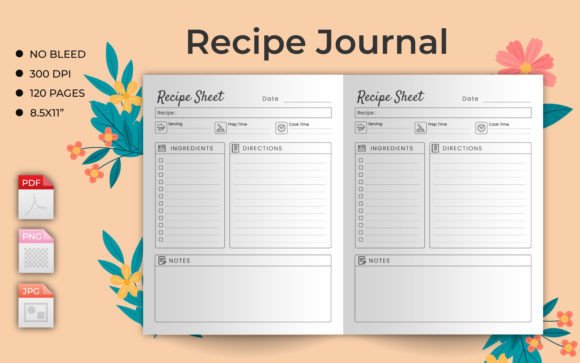
Opening up the Recipe Sheet KDP Interior design, I immediately got a warm, homey vibe. It’s got that classic recipe card layout—lined sections, a vintage-style header, and just enough decorative flourishes to feel personal without being over the top. The layout feels intentional, like it was made for someone who values both form and function in their embroidery projects.
From a design standpoint, it leans into a nostalgic, handcrafted aesthetic that’s perfect for kitchen-themed items, personalized gifts, or boutique-style apparel. It’s not flashy, but it’s got character—something that translates well into embroidered pieces meant to feel personal and meaningful.
Real-World Use: From Tote Bags to Baby Bibs
I recently tested this design on a custom embroidered tote bag and a set of linen tea towels. Both turned out beautifully. The layout held up well on medium-weight cotton, and the spacing between text lines was just right for readability after stitching. I also tried a scaled-down version on a baby bib, and while the lines got a bit tight, the overall structure remained intact.
What surprised me was how well it worked on a sweatshirt mockup. The design’s open areas and moderate stitch density made it suitable for heavier fabrics without adding unnecessary bulk. It would also make a charming addition to a holiday-themed pillow cover or a personalized apron for a small shop product line.
Design Performance Across Embroidery Applications
- Custom Apparel: Works well on sweatshirts and denim jackets, especially when centered on the back or placed on a chest pocket.
- Tote Bags: Ideal for canvas or linen totes—clean lines and a vintage look that Etsy shoppers love.
- Personalized Gifts: Great for monogrammed additions or name blocks when paired with a coordinating font.
- Commercial Embroidery: Offers a professional, boutique-ready look that can be branded for small business merchandise or boutique packaging.
Where to Use with Care
While the design is versatile, it does have some limitations. I noticed that on stretchy fabrics like jersey or lightweight knits, the lettering can warp slightly if not stabilized properly. Small hoop sizes are a challenge—especially if you want to preserve all the decorative elements in the corners.
Dark fabrics also require attention. The white thread contrast looked sharp on light backgrounds, but on black or navy, some of the finer lines got lost unless I added an extra underlay or switched to a brighter thread color. Dense stitch areas, like the header section, can feel stiff on baby clothes or soft blankets, so consider using a lightweight stabilizer or reducing density slightly.
Visual Appeal and Customer Perception
One thing I’ve learned as a designer is that customers connect with designs that feel thoughtful and intentional. Recipe Sheet KDP Interior nails that. It’s got enough personality to stand out, but it’s not so stylized that it limits use cases. Whether it’s stitched onto a patch for a craft fair or used as a digital embroidery preview for an Etsy listing, it reads as professional and well-made.
For small business owners and Etsy sellers, this design adds a touch of authenticity that can elevate a product’s perceived value. It’s the kind of design that makes buyers feel like they’re getting something handmade, even if it’s machine embroidered. That kind of emotional appeal is gold when you're trying to build brand consistency or increase buyer engagement.
Practical Notes for Embroidery Designers
Here are a few key takeaways from my time working with this design:
- Test on scrap fabric first. Especially important if you’re using a textured or stretchy material.
- Check thread color contrast. Light text on dark fabric may need a shadow or outline to pop.
- Review stitch density. You may want to tweak it for soft or structured items.
- Confirm hoop size compatibility. The full layout may not fit in smaller hoops without editing.
- Inspect small details. Decorative flourishes and thin lines may need reinforcement.
- Try black and white mockups. Helps assess clarity and contrast without color distractions.
- Use proper stabilizer. Medium-weight tear-away or cut-away works best depending on fabric type.
- Check licensing terms. Make sure it’s cleared for both personal and commercial embroidery projects.
Best Fit for Creative Entrepreneurs and Makers
If you’re a craft business owner or digital product seller, this design offers a solid foundation for a variety of stitched items. It works well as a standalone embroidery file or as part of a themed collection—think kitchen decor sets, personalized baby gifts, or seasonal holiday merchandise.
I can see this being a go-to design for printable mockups too. Its clean layout and nostalgic feel make it easy to visualize on different products, which is a big plus for Etsy sellers or small shop owners looking to showcase their work professionally without spending hours on mockup design.
Final Thoughts: A Thoughtful Addition to Any Embroidery Kit
Overall, the Recipe Sheet KDP Interior is a well-balanced embroidery design that offers both visual charm and practical flexibility. It’s not overly complex, which makes it accessible for hobbyists and small business embroiderers, yet it has enough detail to satisfy more experienced designers looking for a polished, versatile layout.
Whether you’re creating custom apparel, embroidered patches, or digital design assets for sale, this is one of those designs that just… works. It’s the kind of embroidery file you reach for when you want to add a personal, handmade touch without overcomplicating the process. Definitely worth a spot in your embroidery project toolkit.