Rainbow Watercolor Confetti Clipart: An Embroidery Review
As a professional embroidery designer and product reviewer, I approach every new digital asset with a healthy dose of skepticism. The marketplace is flooded with graphics that look stunning on a screen but translate poorly to thread and fabric. When I first opened the Rainbow Watercolor Confetti Clipart file, my immediate focus wasn't just on the vibrant aesthetic, but on its structural viability for real-world production. For those of us running a craft business, managing an Etsy shop, or fulfilling custom orders, the gap between digital art and a tangible handmade product is where profit margins and customer satisfaction live or die. This review evaluates this specific clipart collection through the lens of actual machine embroidery application, moving beyond surface-level visuals to discuss stitch integrity, commercial value, and practical limitations.
First Impressions: Mood and Visual Translation
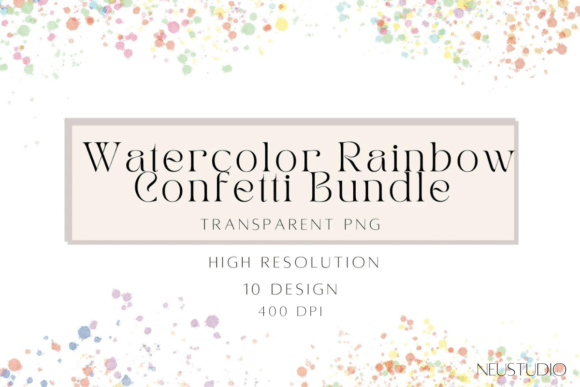
The initial impact of Rainbow Watercolor Confetti Clipart is undeniably joyful. The scattered, organic placement of color mimics genuine celebration without feeling rigid or overly geometric. From a design psychology perspective, this creates an immediate emotional connection, making it ideal for personalized gifts and boutique merchandise. However, as an embroiderer, I am looking at edge definition. Watercolor styles rely on soft gradients and bleeding edges, which are notoriously difficult to replicate with thread. Unlike vector art with hard lines, this style requires careful digitizing consideration.
Visually, the confetti shapes vary in size and opacity. In a digital mockup, this adds depth. In an embroidery project, this variation dictates your stitch type strategy. Larger confetti pieces can support fill stitch patterns or even serve as guides for an applique design, while smaller specks may require precise satin stitch or specialized running stitch techniques to avoid disappearing into the fabric weave. The mood is versatile enough for nursery decor, birthday apparel, and festive kitchen textiles, provided the digitization respects the watercolor nuance rather than forcing it into solid blocks of color.
Real-World Application: The Custom Tote Bag Test
To truly evaluate this asset, I mentally applied it to a current client request: a set of canvas tote bags for a spring bridal shower. Canvas is a textured, unforgiving substrate that demands respect. Using Rainbow Watercolor Confetti Clipart for this tote bag design presented specific challenges and opportunities. The goal was to create a whimsical, high-end look that didn't feel like cheap party supplies.
In this scenario, the clipart serves as an excellent accent rather than a full-coverage pattern. Placing the confetti elements around a central monogram or date allows the negative space of the canvas to breathe. For a sweatshirt embroidery project, the same logic applies; placing the design across the yoke or cuff prevents the garment from becoming too heavy or stiff. I found that this clipart works best when treated as a texture enhancer. It adds visual interest to otherwise plain items like baby onesies or tea towels without overwhelming the primary focal point. For Etsy sellers, this versatility is key. One digital file can yield multiple distinct SKUs, from baby embroidery keepsakes to holiday embroidery ornaments, simply by adjusting scale and placement.
Navigating Fabric Limitations and Hoop Constraints
While the aesthetic is flexible, the physical application of Rainbow Watercolor Confetti Clipart requires caution. Not all fabrics are created equal, and this design style exposes weaknesses in unstable materials.
- Stretchy Fabrics: On knits or performance wear, small confetti elements can cause tunneling if the stitch density is too high. Always use appropriate stabilizer and consider a topping to prevent stitches from sinking.
- Textured Surfaces: For terry cloth or fleece, tiny details will get lost. You must increase the size of individual confetti pieces or simplify the layout to ensure readability.
- Dark Fabrics: Watercolor effects often rely on transparency. On black or navy garments, you lose that translucency unless you stitch a white underlay base first, which increases stitch count significantly.
- Curved Surfaces: When adapting this for caps or sleeves, verify that the scatter pattern doesn't distort when wrapped. Flat printable mockups can be deceptive here.
I also advise checking your hoop size limitations before committing to a layout. Because confetti is inherently scattered, it can easily exceed standard hoop dimensions. Re-hooping to add peripheral elements risks alignment issues, so plan your composition within a single hooping whenever possible to maintain professional quality.
Commercial Value and Customer Perception
For creative entrepreneurs, the question isn't just "does it stitch out well?" but "does it sell?" Rainbow Watercolor Confetti Clipart scores high on perceived value because it feels custom and artistic rather than generic. In the competitive landscape of commercial embroidery, differentiation is everything. A standard polka dot fill is functional; a watercolor confetti scatter is experiential.
This distinction matters for pricing. Clients are willing to pay a premium for custom apparel and personalized gifts that feature unique artistic elements. Furthermore, using high-quality design assets elevates your brand consistency. If your shop specializes in soft, feminine, or celebratory aesthetics, this clipart reinforces that identity. However, trust is built on execution. If the thread colors clash or the registration is off due to poor digitizing of the source art, the perceived value plummets. Always present accurate digital embroidery file previews to clients so they understand how the watercolor effect translates to thread. Managing expectations ensures the finished product matches the buyer's vision.
Essential Designer Notes for Safe Production
Before loading Rainbow Watercolor Confetti Clipart into your machine for a paid order, adhere to these professional protocols. These steps separate hobbyists from reliable business owners.
- Verify Licensing: Confirm whether your purchase includes commercial rights for both physical products and digital derivatives. Some licenses restrict selling the digitized file itself while allowing finished goods.
- Test Stitch Out: Never skip this step. Use scrap fabric identical to your final project. Check for puckering, thread breaks, and coverage gaps.
- Audit Stitch Density: Watercolor styles can become bulletproof if over-digitized. Ensure the file allows for fabric drape, especially on baby embroidery or lightweight apparel.
- Contrast Check: View the design in grayscale. If the confetti blends into the background in black and white, it lacks sufficient contrast for embroidery. Adjust thread values accordingly.
- Scale Appropriately: Do not resize beyond 10-15% without re-digitizing. Enlarging pixel-based clipart causes jagged edges; shrinking it causes stitch overlap and needle damage.
- Mockup Accuracy: Create realistic mockups that show texture. Flat vector previews mislead customers about the tactile nature of embroidery.
Ultimately, Rainbow Watercolor Confetti Clipart is a potent tool for the modern maker. It bridges the gap between digital artistry and textile craft, offering a fresh alternative to traditional embroidery motifs. Whether you are creating an embroidered patch for a denim jacket or designing a line of nursery pillows, success lies in respecting the medium. Treat the clipart as a starting point, not a final destination. By applying technical knowledge regarding stabilizers, fabric behavior, and stitch mechanics, you transform a pretty digital image into a durable, sellable, and cherished handmade item. Always prioritize the integrity of the stitch over the perfection of the screen, and your work will reflect the true quality of your craftsmanship.