Clouds Blue Sky Background: A Fresh Editorial Backdrop for Lifestyle and Creative Content
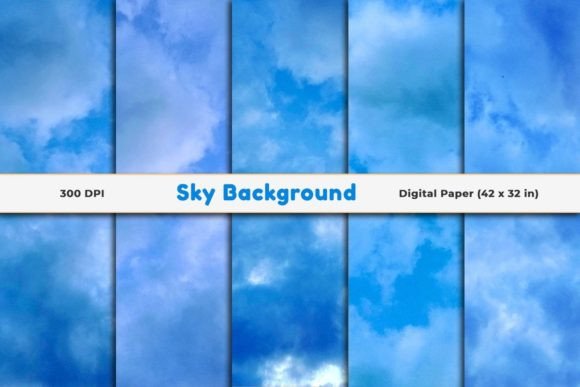
The first time I opened the Clouds Blue Sky Background, I was struck by its airy, open feel. It’s the kind of design asset that immediately evokes a sense of calm, clarity, and inspiration. As a blog designer and digital publisher, I’m always on the lookout for visuals that elevate content without overpowering it. This background fits squarely into that category—clean, modern, and versatile enough for a wide range of editorial and web publishing needs.
Setting the Mood: Light, Airy, and Lifestyle-Focused
This background is ideal for content creators working in niches like lifestyle, travel, wellness, personal development, and creative entrepreneurship. The soft clouds and clear blue sky suggest openness, positivity, and movement—perfect for bloggers and digital educators who want to project a sense of aspiration and approachability.
From a design perspective, it’s a neutral yet emotionally engaging canvas. It doesn’t dominate the page, but it definitely sets a tone. That makes it great for websites or newsletters that need a subtle visual lift without veering into the overly decorative or complex.
Real-World Publishing Uses for Clouds Blue Sky Background
In my own workflow, I often need visuals that work across multiple formats—blog headers, Pinterest pins, social media posts, newsletter banners, and downloadable guides. Here’s how the Clouds Blue Sky Background integrates into those publishing needs:
- Blog Featured Images: Works well as a background for lifestyle or travel posts, especially when overlaid with bold, clean typography.
- Pinterest Graphics: Its bright and open feel makes it ideal for Pinterest visuals that need to stand out in a crowded feed.
- Email Newsletters: Use it as a header or divider background to give your email design a breath of fresh air.
- Downloadable Resources: Perfect for digital guides, worksheets, or lead magnets where you want a light, inviting layout.
- Canva Templates: A strong base for templates aimed at coaches, bloggers, or creatives who need a polished, consistent look.
How This Background Boosts Content Performance
As a content publisher, I’m always evaluating design assets not just for aesthetics, but for performance. Here’s how this background helps elevate your editorial and visual content strategy:
- Stronger First Impression: The soft yet vibrant sky gives your visuals a welcoming, professional edge that readers notice immediately.
- Better Click-Through Potential: Used in Pinterest or social media graphics, it can help your content stand out and attract more clicks.
- Clearer Visual Hierarchy: Because it’s not too busy, it allows text and other design elements to shine without visual clutter.
- Consistent Branding: When used across multiple assets—like blog headers, digital downloads, and social posts—it helps reinforce a cohesive brand identity.
- Improved Reader Trust: A polished, professional background subtly signals quality, which builds trust with your audience.
Where Clouds Blue Sky Background Works Best
This background excels in visual contexts where you want to evoke openness and inspiration. Some top placements include:
- Hero Images: On landing pages or homepage banners where you want to set a positive, inviting tone.
- Article Thumbnails: Especially for lifestyle or travel content where the background supports the theme without competing with it.
- Newsletter Headers: Gives your email design a breath of fresh air and a more editorial feel.
- Content Upgrades: Ideal for downloadable guides or printables where you want a clean, uplifting layout.
- Social Media Previews: Works great for Instagram or Facebook posts promoting courses, blog content, or affiliate offers.
When to Use It Carefully
While this background is versatile, it’s not a one-size-fits-all solution. Here are some situations where it may need extra attention or might not be the best fit:
- Text-Heavy Blog Images: If your featured image needs to carry a lot of text, the light clouds might make it harder to read without strong contrast or overlays.
- Corporate or Formal Niches: For serious professional content—like legal, medical, or corporate finance—this background may feel too casual.
- Busy Layouts: In complex editorial designs or multi-layered graphics, this background might get lost or contribute to visual noise.
- Mobile-Only Thumbnails: On small screens, the subtle cloud texture might not render clearly enough to make an impact.
Publisher Notes: Test, Optimize, and Confirm Licensing
Before dropping this background into your next design, here are some practical steps I recommend taking:
- Test on Desktop and Mobile: Make sure the background looks good across screen sizes, especially in thumbnails.
- Preview in Real Blog Layouts: Drop it into your actual WordPress or Squarespace template to see how it interacts with fonts and other elements.
- Check Contrast and Readability: Overlay it with different headline styles and ensure text remains legible.
- Try It with Different Fonts: Test it with serif, sans-serif, script, and display fonts to see which pairings feel most editorially aligned.
- Review File Size: Compress the image for faster loading without losing quality—especially important for blog graphics and social media visuals.
- Confirm Commercial Licensing: If you’re using this in affiliate marketing, lead magnets, or digital products, make sure it’s licensed for commercial use.
Final Thoughts: A Versatile Asset for Visual Content Creators
The Clouds Blue Sky Background is more than just a pretty background—it’s a flexible graphic design asset that can elevate your blog visuals, digital guides, and social media presence. Whether you’re a newsletter creator, affiliate marketer, or online educator, this background can help you create more polished, engaging, and clickable content.
Used thoughtfully, it supports a strong visual hierarchy, reinforces brand identity, and helps your content stand out in today’s visually saturated digital landscape. Just remember to test, optimize, and align it with your niche’s tone and audience expectations.